Wednesday, 12 January 2011

What is the first record of a halo from Lowitz orientation with 315 /325 raypath?


By Marko Riikonen

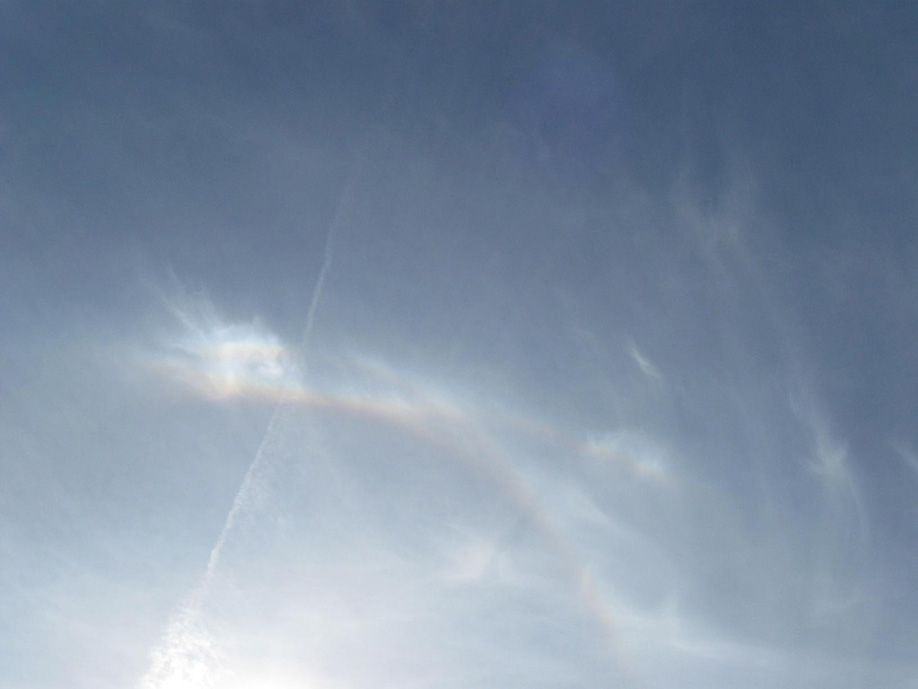
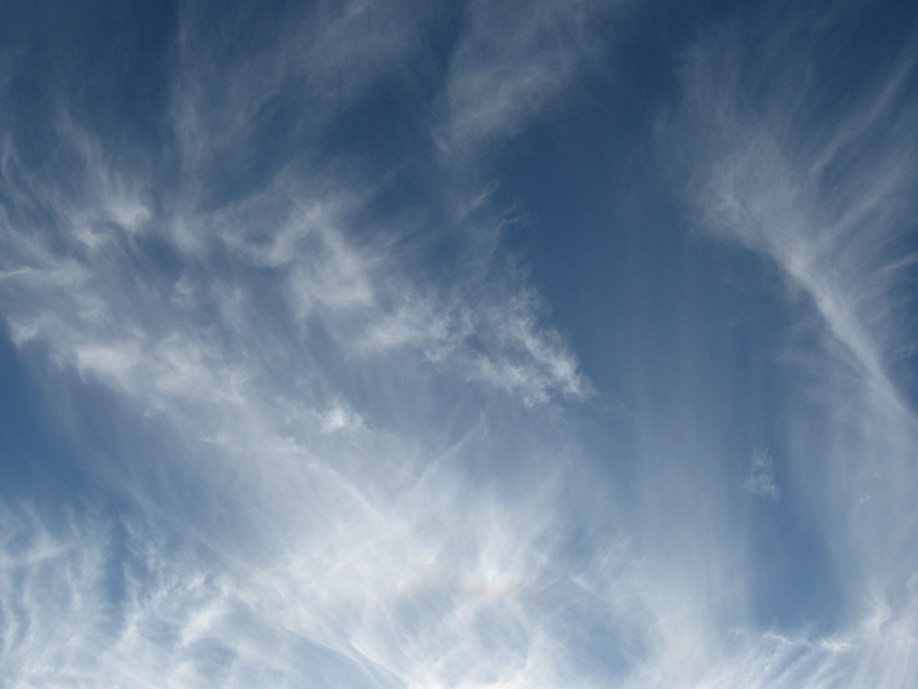
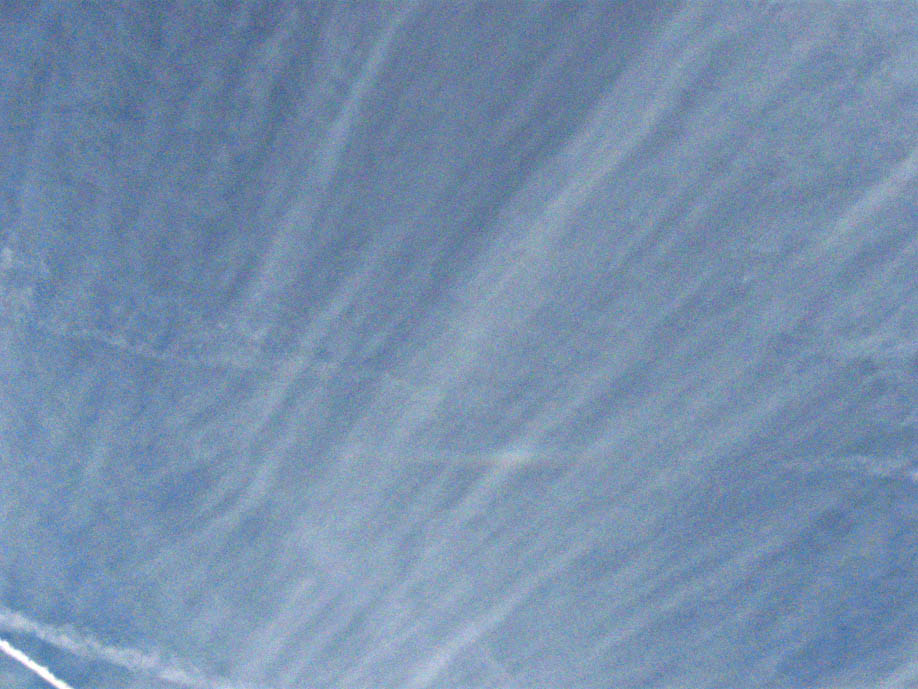
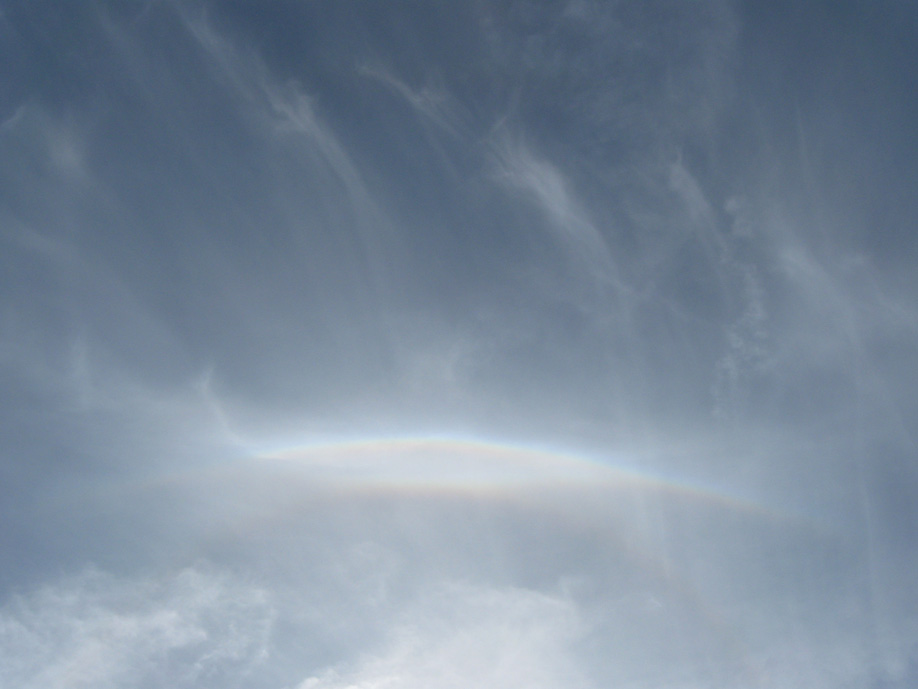
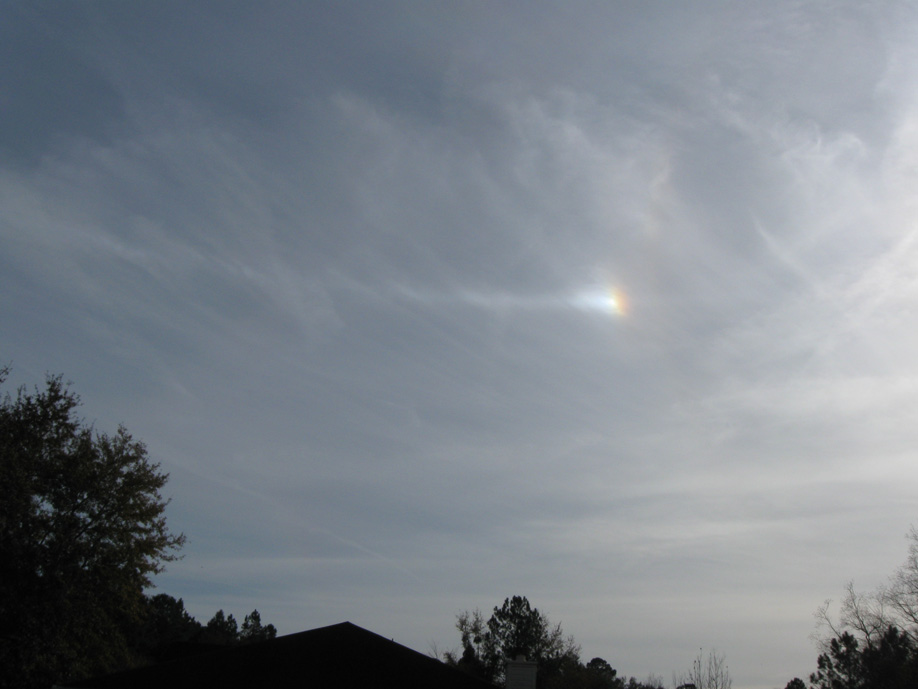
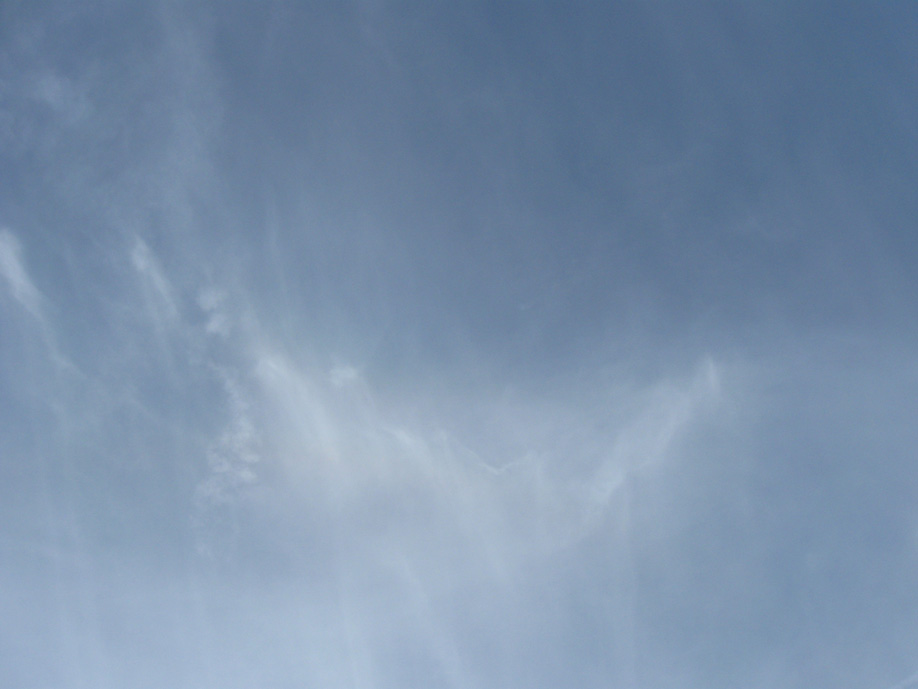
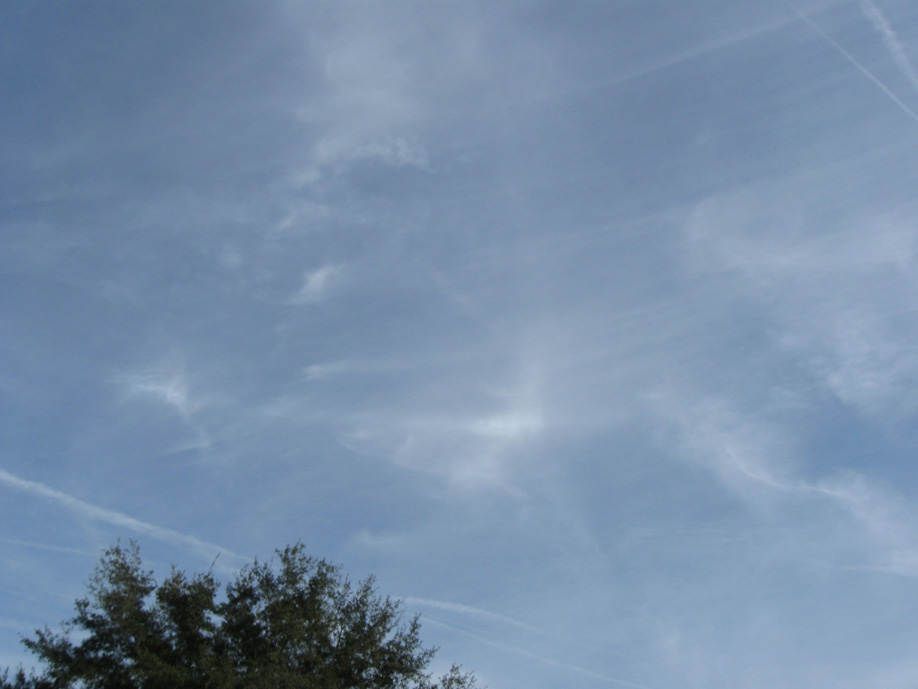
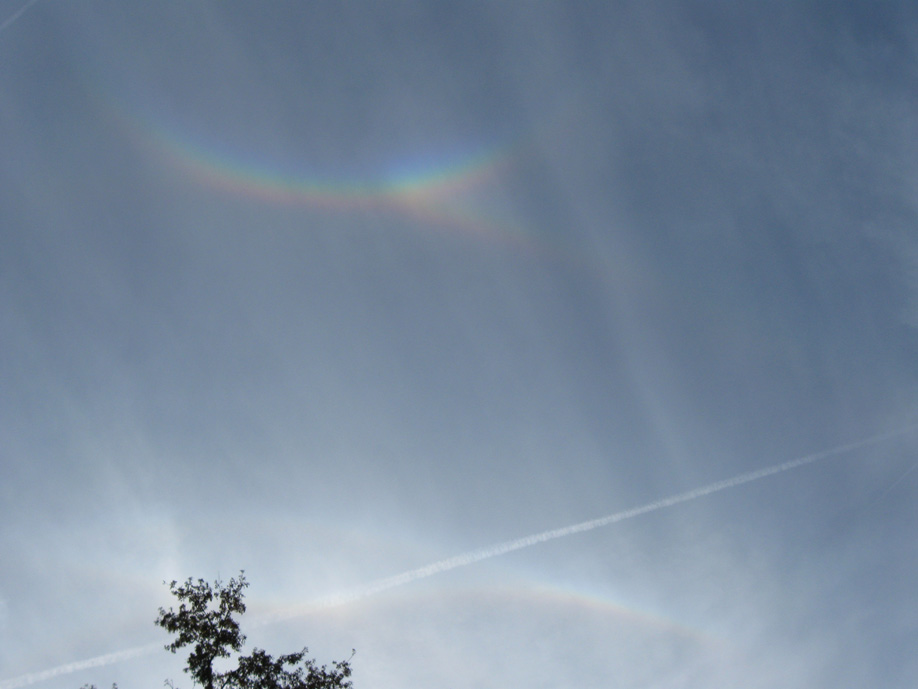
I am wondering what is the first record of halo from Lowitz oriented crystals with raypaths 315 and 325 respectively above and below parhelion? It has been called as "reflected Lowitz arc" and parhelion legs and arms. People are also calling it just Lowitz arcs, but it is not the same halo as Lowitz arcs which have 35 raypath. (From Parry orientation 35 make the Parry arc and 315/325 the Hastings arc and from column orientation you get tangent arc and Wegener arc). Above are some some early observations related to this halo.  First is observation by Gösta Liljequist in the Antarctic on 13. May 1951 of the 315 arc. I have included also simulation (made with HaloSim software) and crystal figures depicting the raypath of this arc. That is a pretty realible looking observation. Second is a photo from the French Greenland expedition, taken on 21.7.1951. These are peculiar looking parhelia and one could argue that there is actually no parhelia at all, but this is less convincing documentation for the 315/325 arcs. The photo is from Readers Digest world map book from the 70's (thanks for Jukka Ruoskanen for scanning it). Third is photo by Emil Schulthess in the antarctic in 1957 from Scientific American 1962 September issue. Here we are seeing the 325 arcs at the horizon, marked with an arrow. And fourth is Paul Schultz photo from 1905-06 in Alaska. I strongly suspect the arcs here were not actually inclining outwards, but it is rather due to camera projection when the display was placed at the top of the frame (and then the photo was cropped). The last photo is mine showing similar projection distortion effect of normal parhelia when the halos are placed at the top of the frame.

So, from all this it looks like Liljequist made the first convincing observation of the Lowitz-orientation 315/325 halo and Emil Schulthess took the first photo. I wonder if anyone knows any earlier photos? I have this strange recollection of a guy named P. Stahl having taken a photo of it in the 1951 French Greenland expedition, other than the one above. And that it would appear in some world map book. The photo would be similar in manner to the Schulthess photo. Possibly I just saw Schulthess photo and  somehow mixed up the names, decade old memories are not to be trusted.

Original post in Submoon

Sunday, 9 January 2011

Hollow columns halo simulation

I wish you all a very happy year 2011, may it be rich in halos and celestial wonders!

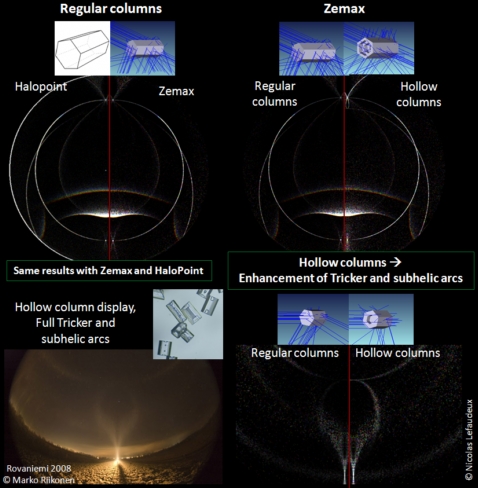
I ran some simulation of halos created by hollow columns. Usually, hollow columns are considered to be poor halo makers, reducing the probability of getting rare arcs. I have simulated hollow columns display using Zemax.

Zemax is commercial software used for optical design. Its primary purpose is design and optimization of optical systems. It allows only static simulation, but I wrote a few macros to simulate halos. The main advantages are that you don’t need to compute yourself all the optics laws, just to concentrate on the halos, and it is very flexible software. I have been able to simulate displays from twinned and complex crystals. Its main disadvantage is that it is very slow compared to dedicated software like Halopoint. I have compared the two software and they give the same halos, so the optics inside is really the same. Crystals used to simulate hollow columns keep their crystalline faces for the hollow parts. In real crystals, the holes appear to be more rounded and smooth. The halos simulated are so from ideal hollow columns. Simulation shows that, quite unexpectedly, hollow columns strongly enhance complex arcs in the anthelic direction. For instance, Tricker and subhelic arcs are much more prominent than with regular columns. Marko Riikonen pointed out a display with samples showing lots of hollow columns that had strong Tricker and subhelic arc. Simulations with hollow columns are quite consistent with the display.

I still don’t really figure how these complex raypaths can have increased probability with hollow columns, but simulations definitely show it.

Nicolas Lefaudeux

Saturday, 8 January 2011

Lowitz arcs from Florida

Nick Beck has sent this high cloud halo display that he observed on Christmas eve in Florida. The sun elevation was 31 degrees when it started and the display ended when the sun was 7 degrees above the horizon, lasting a little over 3 hours. The observed halos include Lowitz, upper sunvex and suncave Parry arcs ( 1 ), possible Wegener ( 2 ) and helic ( 3 ) arcs, and infralateral arc ( 4 ),among others ( 5 - 6 - 7 - 8 - 9 - 10 - 11 )

Tuesday, 28 December 2010

"Upper parhelia" over the Alps


On 13 December it was cold and windy on Mt. Wendelstein (1838m) in the German Alps with temperature of -17°C and huminity over 90%. The whole day ice dentrids glittered in the air ( 1 ). For 6 hours I could observe a partly bright subsun ( 2 ). Actually I've seen 2 subsuns in time, the "main subsun" at a lower blanket of clouds and a second displaces a bit to the right in near crystals, based on tilted ice plates (caused by the wind). It was very difficult to photograph it because of the radiant brightness of "main subsun", but you can see the second, as the "main subsun" disappeared a short time. ( 3 - 4 - 5 )

Partly shaped imaginary arcs on this: ( 6 )

A short time before sunset in a single cirrus cloud was formed a colourful parhelia. ( 7 - 8 - 9 )

It faded a short time before sunset at 16.17 CET. ( 10 )

From 16.25 to 16.35 CET the parhelia clearly appeared again in the same Cirrus stripes. ( 11 - 12 - 13 - 14 - 15 )

I've not a explanation for this. I've observed a little displaced parhelia in far-off Cirrus (1-2deg) a couple of times, but never before such a clear sundog to this negative altitude.

Claudia Hinz

Tuesday, 21 December 2010

Floodlight helic arc on 15/16 December 2010 in Tampere

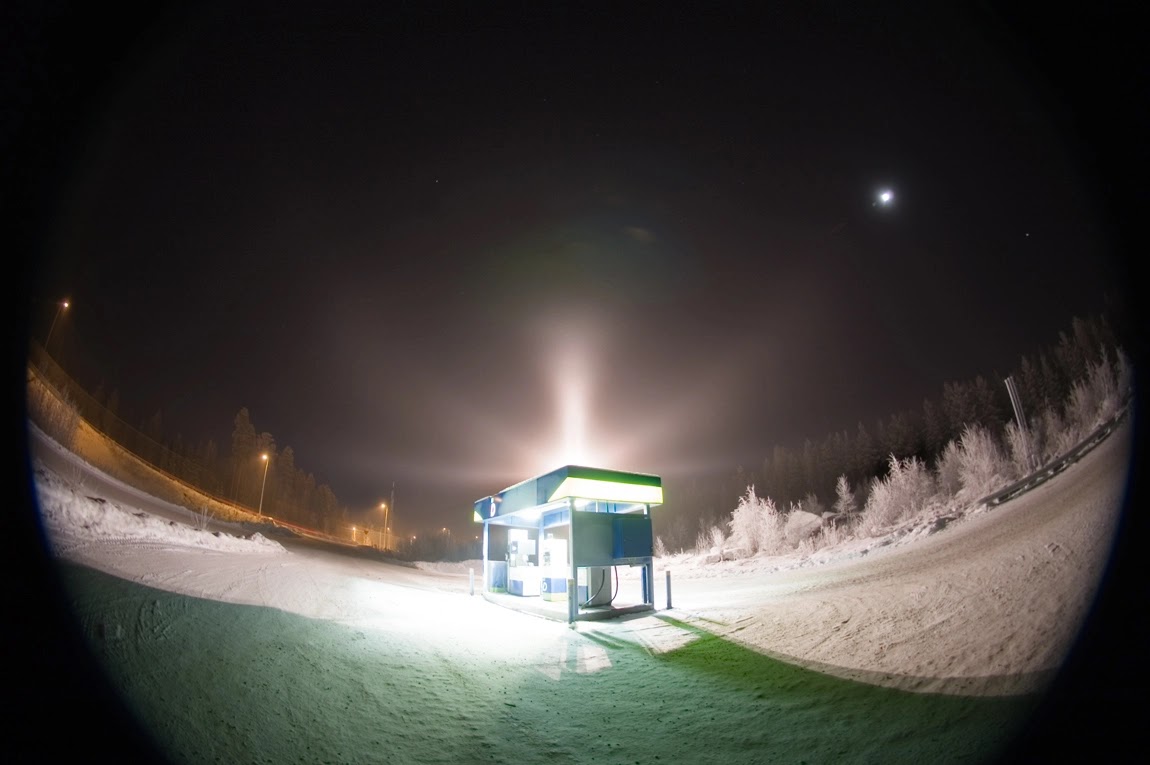
This one was seen from automatic gas station lights. The helic arc is rises diagonally from the lamp. I was desperately looking for a place for the spotlight, but the surroundings were totally light polluted. Just 300-400 meters away it was totally dark wilderness, though, but the diamond dust never reached there.  So I just photographed the halos in this light. I walked closer to see if I could see 3D structure in helic arc, but as expected, it disappeared.  The tangent arc had no seagull shape at the appropriate lamp elevation, indicating presence of Parry arc, which certainly was there.  The helic arc is doubled because there are two lights.

Original post in Submoon


Monday, 20 December 2010

Spotlight display 15/16 December 2010 in Tampere


This one came as an almost complete surprise. I had seen moment before parhelia from streetlight when driving, but they were weak. The pillars were almost non existent, so when I parked at the hospital area and turned on the long lights, I was surprised to see the crystals glitter in the beam in a very much all sky display manner. This was confirmed as I walked the beam.

Taking on the spotlight took some time and I did not get much photos. There was also serious light pollution. Just a bit further away towards the lake it would have been darker, but you have to take the first photos where ever the display is, or you risk not getting photos at all (this wisdom Luomanen told me recently).


Simulations of the display are made with Jukka Ruoskanen's HaloPoint 2.0. The most interesting point to me is the 5 degree rotational Parry population that had to be used to get the intensity of the diffuse B arc right. Nothing new here, of course, this kind of effect is pretty common in the spotlight displays. Lessen the rotation and they turn into subanthelic arcs. The Parry population makes also right kind of brightenings at Tape arc locations. Should they be called Tape arcs or 46° supralateral arc, is probably a matter of taste.

In simulation the subhelic /helic arc (they overlap at 0° light elevation)  is too intense as always. Perhaps the Lefadeux hollowed crystal simulations could fix it.  I have included also simulations showing the diffuse anthelic arc A and B components (well, actually they are independent halos), which are clearly discerned in the photo. In sun displays these are less easy to distinguish, which is why we normally talk only about the diffuse arcs.

Temperature was around -22° C. It is rather unusual to get column (or Parry) stuff at these temps.

Original post in Submoon


Sunday, 19 December 2010

Spotlight Moilanen arc and windshield subparhelia


Some stuff from the night of 11/12. December 2010 with Luomanen. We took replicas of the Moilanen arc display, but they failed. Could have been an enlightening case.  On the windshieldd there was also parhelic circle, cza, cha - the usual stuff. Luomanen is holding the lamp.

Original post in Submoon